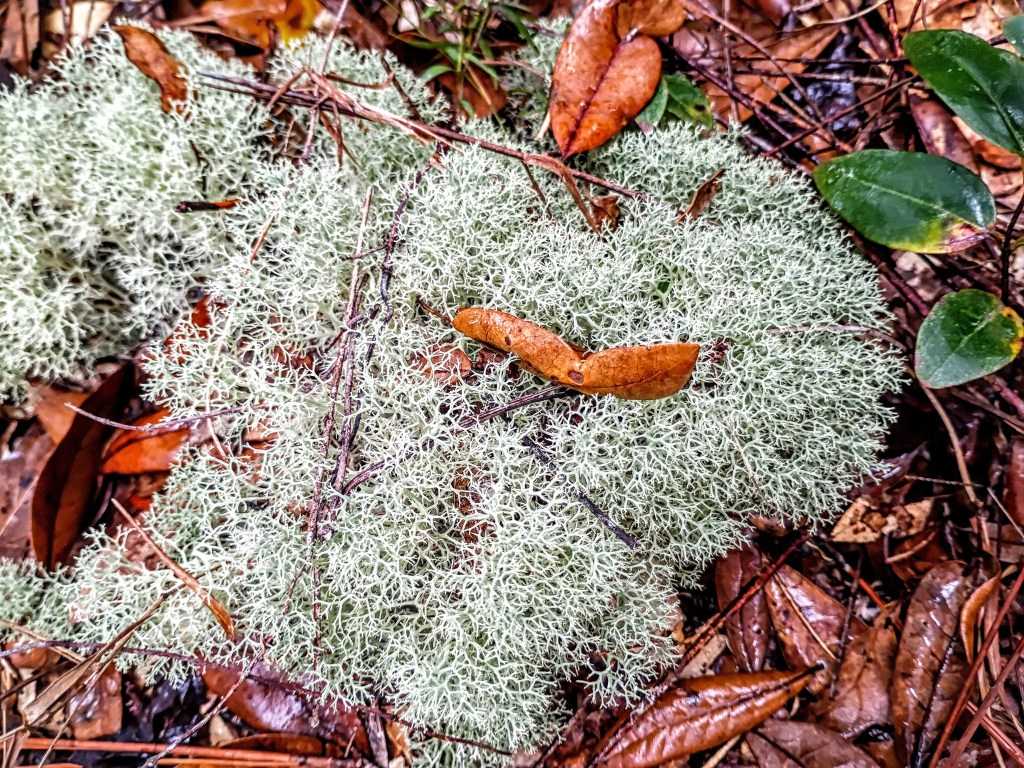
While it looks like a miniature frosted forest, this organism is Reindeer Lichen (Cladonia evansii). To Native Americans across the continent, this wasn’t just ground cover—it was a survival tool, a medicine cabinet, and a food source.
1. A Master of Survival Medicine
Long before modern antibiotics, Indigenous healers utilized the usnic acid found in this lichen. It was prized for its antimicrobial and antifungal properties.
- Healing Poultices: The lichen was often crushed and applied directly to wounds to prevent infection.
- Respiratory Relief: Many tribes brewed it into a bitter tea to treat persistent coughs, colds, and “lung sickness.”
2. The “Famine Food”
Reindeer lichen is technically edible, but it requires careful preparation. It contains harsh acids that can cause severe stomach pain if eaten raw.
- The Leaching Process: Native Americans would soak the lichen in water with hardwood ashes to neutralize the acid.
- The Result: Once processed and boiled, it turned into a gelatinous thickener for soups or was dried and ground into a flour-like powder to stretch food supplies during harsh winters.
3. Utility Around the Camp
The physical structure of Deer Moss made it a versatile material for daily life:
- Natural Insulation: Its hollow, branching tubes trap air, making it an excellent insulator. It was often stuffed into moccasins or bedding to provide warmth against the frozen ground.
- The Perfect Tinder: When dry, this lichen becomes highly flammable. It was a staple in fire-starting kits to help catch a spark and nurture a small flame into a campfire.
Modern Safety Note if you see this on a hike today, it’s best to admire it rather than harvest it. Reindeer lichen is a bio-indicator, meaning it absorbs everything from the air—including heavy metals and pollution. It also grows incredibly slowly (sometimes only 3–5 mm a year), so a patch like the one in your photo may have taken decades to form!


 Gentle Trails journal
Leave a comment