As the winter wind whistles through the bare branches of the oaks, a different kind of tree stands perfectly still in the cemetery. It has no leaves to lose and no sap to freeze. It is made of marble and granite, yet it tells a story more vibrant than the living forest.
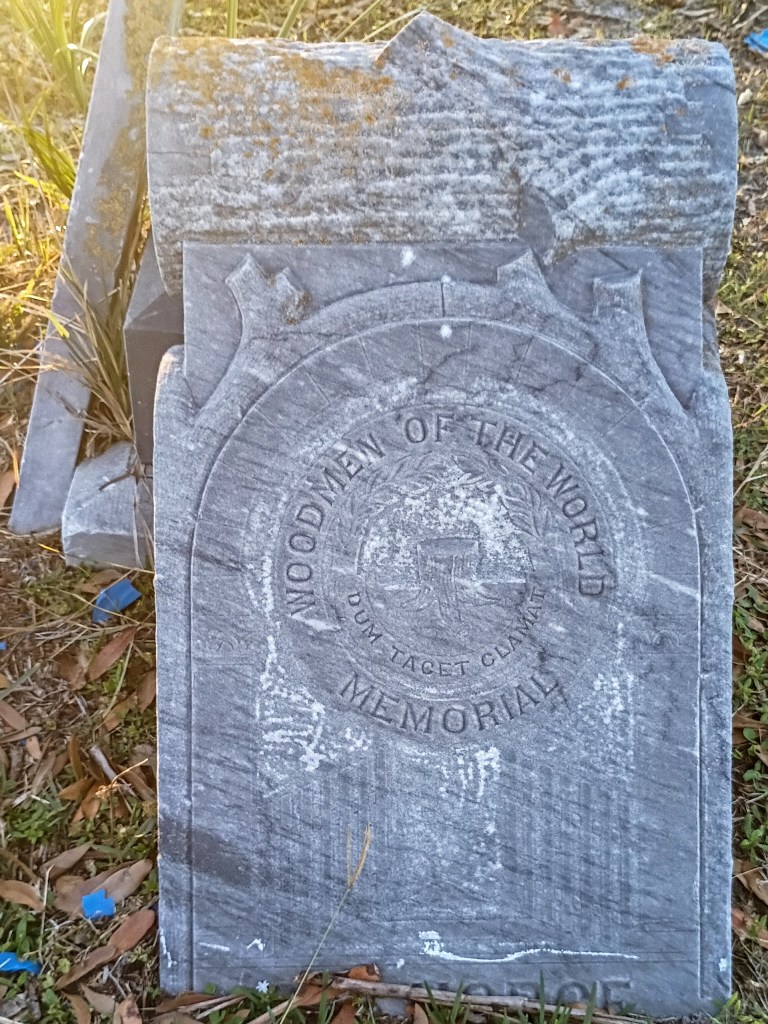
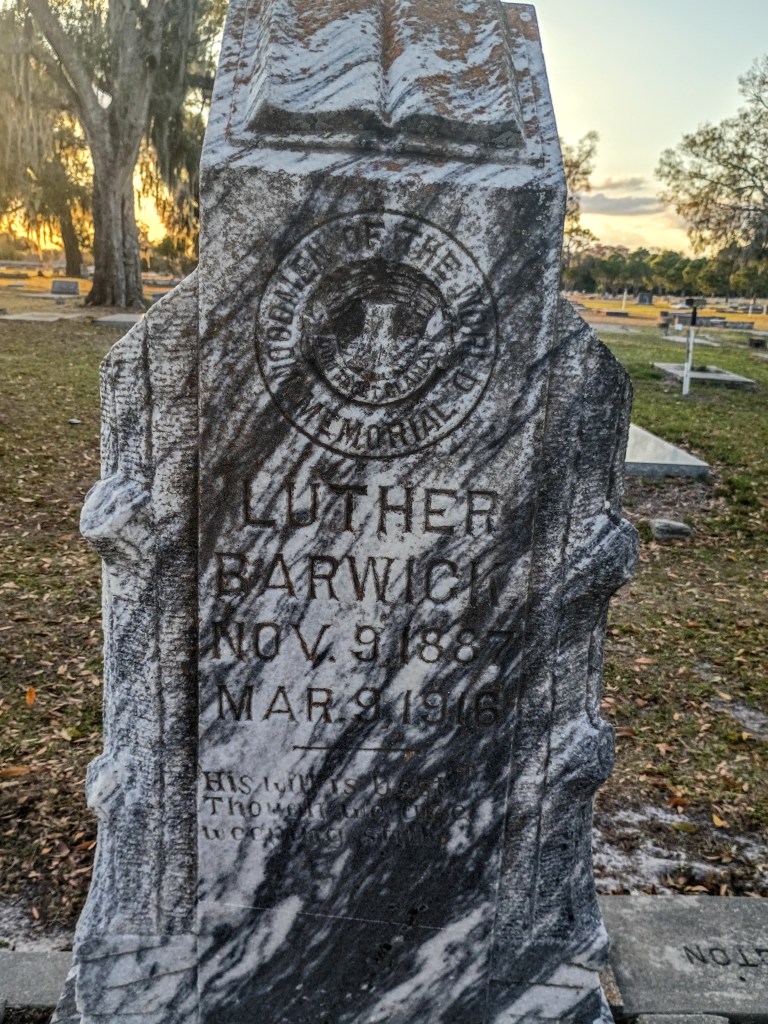
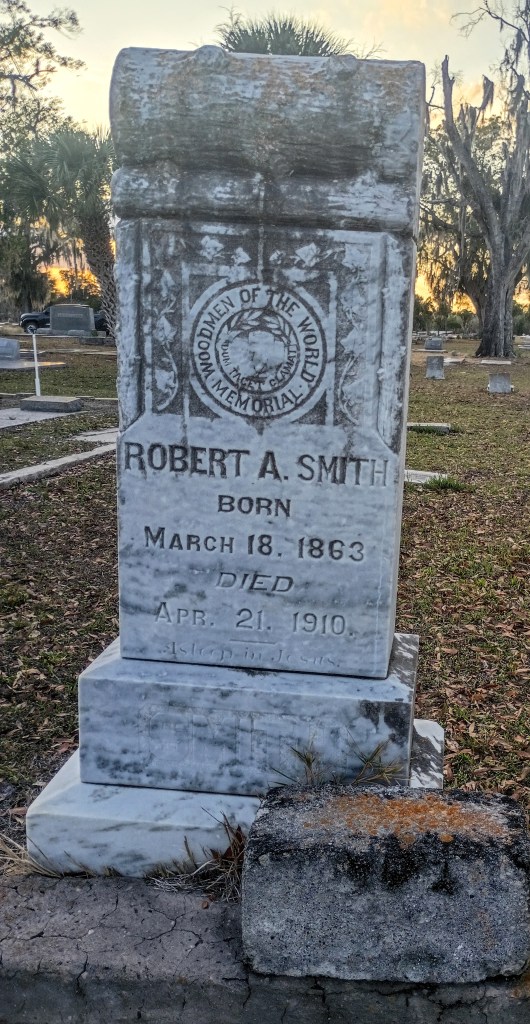
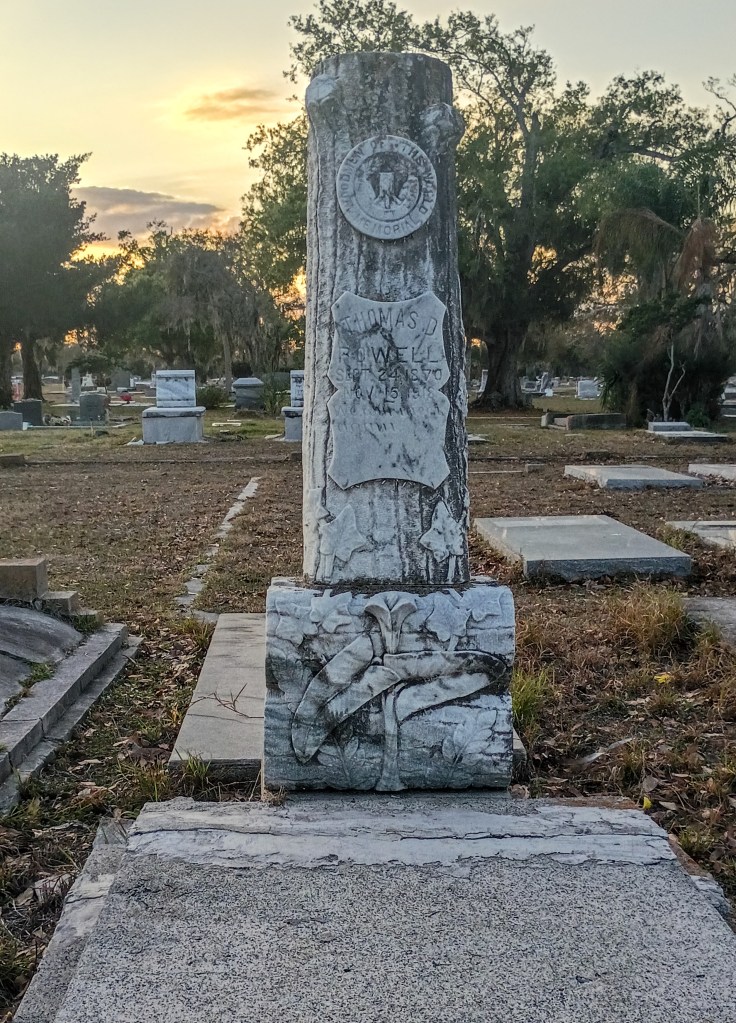
Meet the Woodmen of the World: a brotherhood of pioneers who turned the tools of the forest—the axe, the wedge, and the maul—into symbols of protection for the common man.Discover the hidden history of the “Woodcraft” monuments. In the quiet, frosted landscapes of our oldest cemeteries, unique stone tree stumps stand as a testament to a forgotten era of American fraternity. This post explores the rich history of the Woodmen of the World, an organization founded on the principle that “no member shall rest in an unmarked grave.”The Tree Trunk: Represents the “Tree of Life” and the frailty of existence.The Log Seal: Features the three essential tools of the Woodman (Axe, Wedge, Maul).The Dove: Often seen perched on a branch, symbolizing peace and the Holy Spirit.Ivy or Ferns: Frequently carved around the base to represent immortality and remembrance.
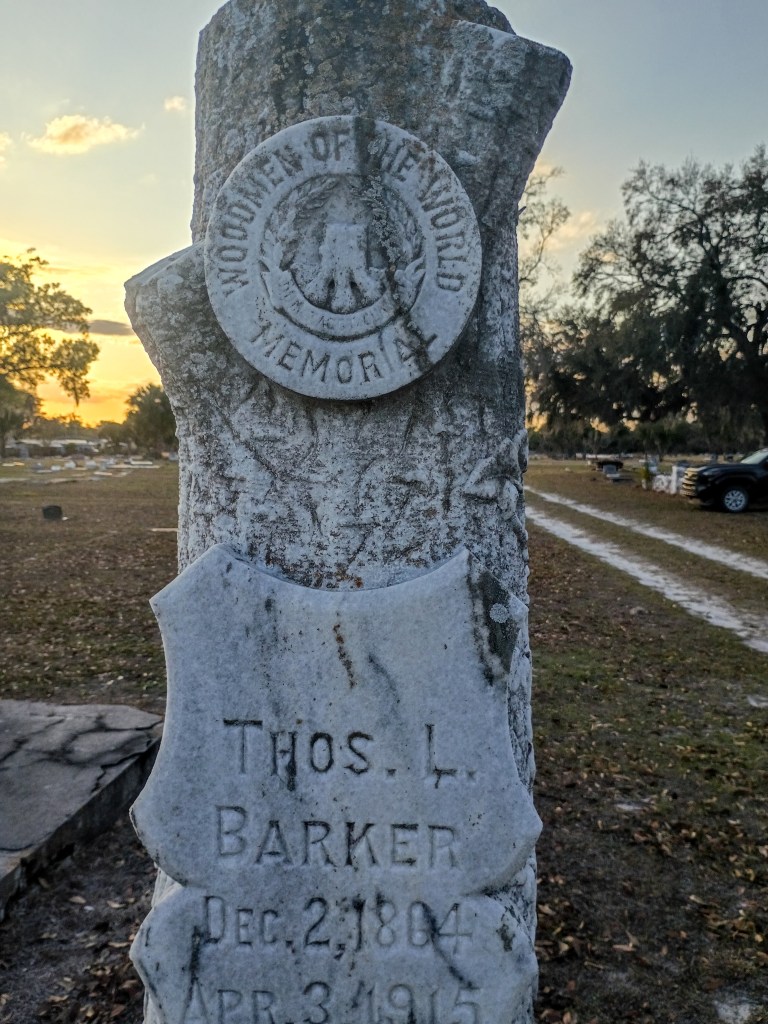
The Woodmen weren’t just about insurance; they were about fraternity. In the winter of 1915, when Thomas L. Barker passed away, his local “Camp” (the term for a local chapter) would have gathered to conduct a funeral ritual, likely involving their symbolic axes, ensuring their “neighbor” was laid to rest with the honor he had earned.
Symbol Meaning tree Stump A life ended (cut down).Severed Branches A life cut short or family members who passed away.Axe & Maul Tools of the “woodcraft” trade; symbolize industry and labor.Wedge Represents the power to split through life’s difficulties.Dove with Olive Branch Peace and the promise of a better world.Dum Tacet Clamat Latin for “Though silent, he speaks”—the Woodman’s legacy.
The tree-stump headstones, like the one for Thos. L. Barker, were a standard benefit of membership. The Guarantee: Root famously stated that “no Woodman shall rest in an unmarked grave.” The Production: Originally, these stones were provided free of charge as part of the insurance policy. Between 1900 and 1920, the cost of stone-carving rose so much that members had to purchase a $100 “monument rider” to get one. The End of an Era: By the late 1920s, the program was discontinued because the elaborate hand-carving became too expensive for the organization to maintain.
In the late 1800s, Joseph Cullen Root heard a sermon about pioneer woodmen clearing away the forest to build homes and provide for their families. He was inspired by this metaphor and decided to apply it to financial security. The Concept: Root founded the Modern Woodmen of America (MWA) in 1883 and later Woodmen of the World (WOW) in 1890. The Mission: He wanted to “clear away the problems of financial security” for his members. In an era before modern social safety nets, these fraternal societies acted as a primitive form of insurance. If a member died, the organization ensured their family wasn’t left destitute.
There is a specific stillness to a cemetery on a January evening. As the sun dips low (much like the golden light in the photo above), the rough-hewn texture of the “bark” on the monument catches the long shadows. It’s a time for reflection—honoring those like Barker who lived through the turn of the century and left behind a legacy that literally stands the test of time and tide.


 Gentle Trails journal
Leave a comment