Gentle Trails journal

Because every great adventure start with one easy step

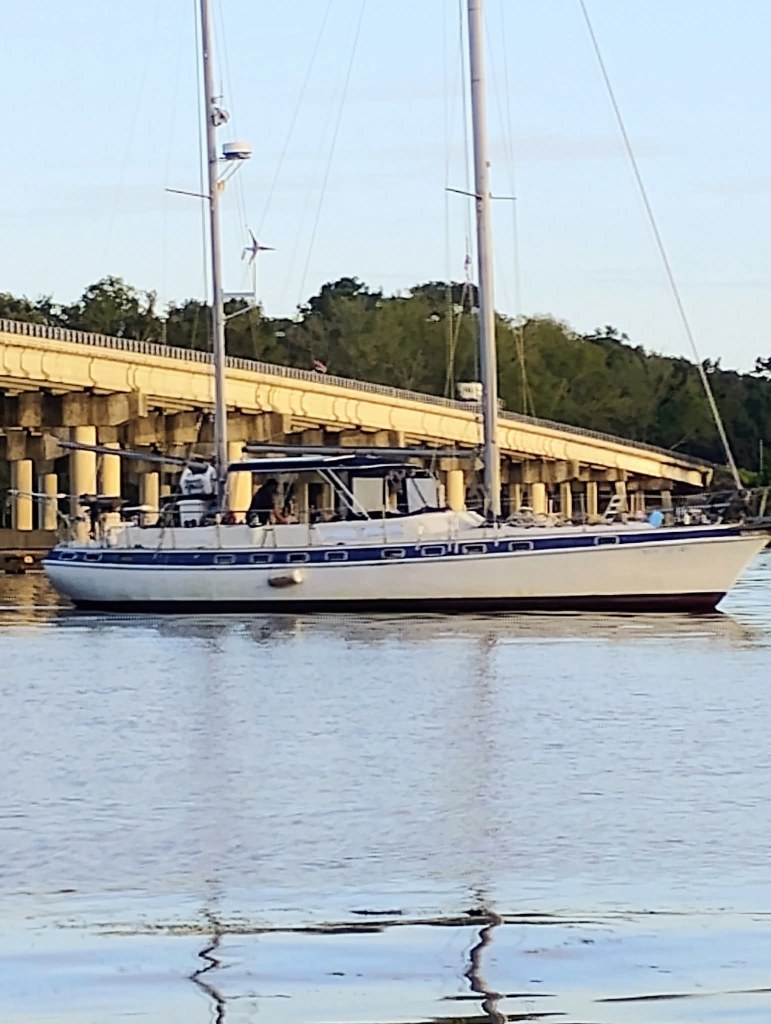
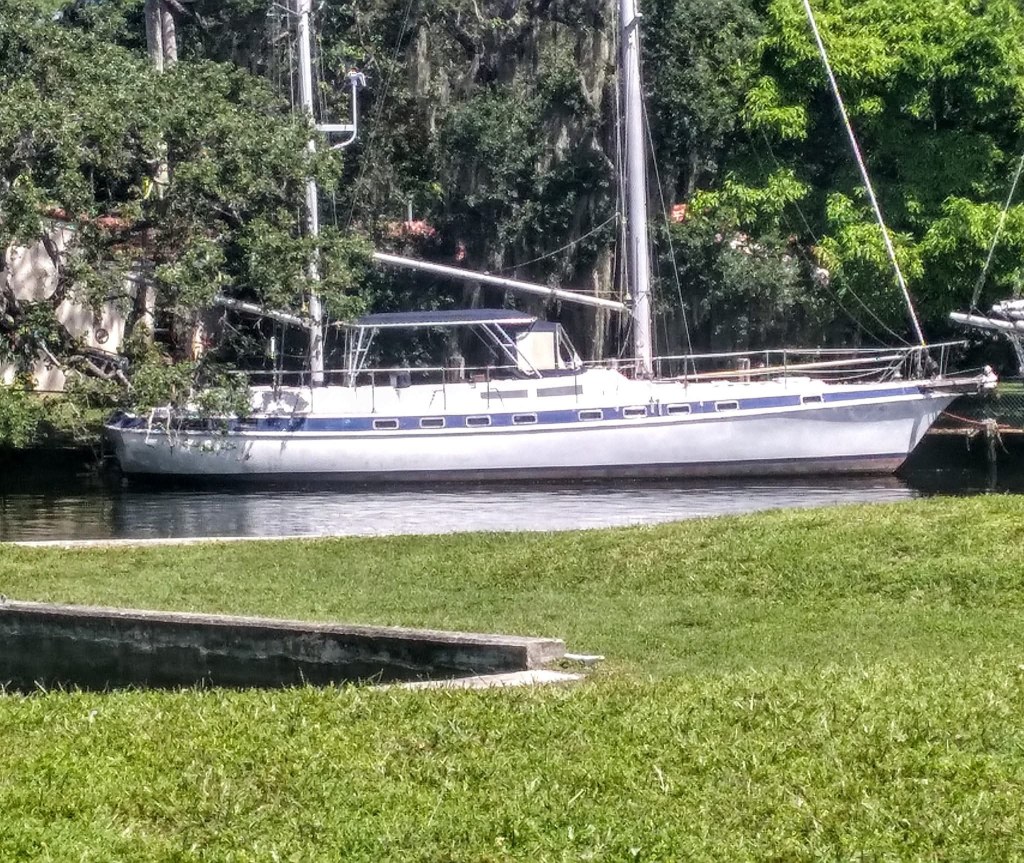
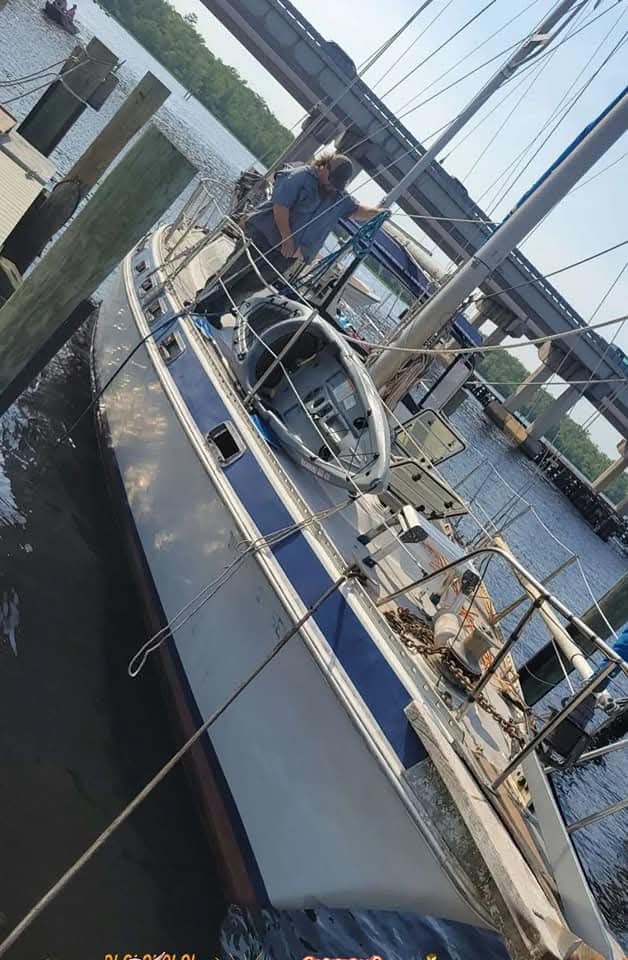
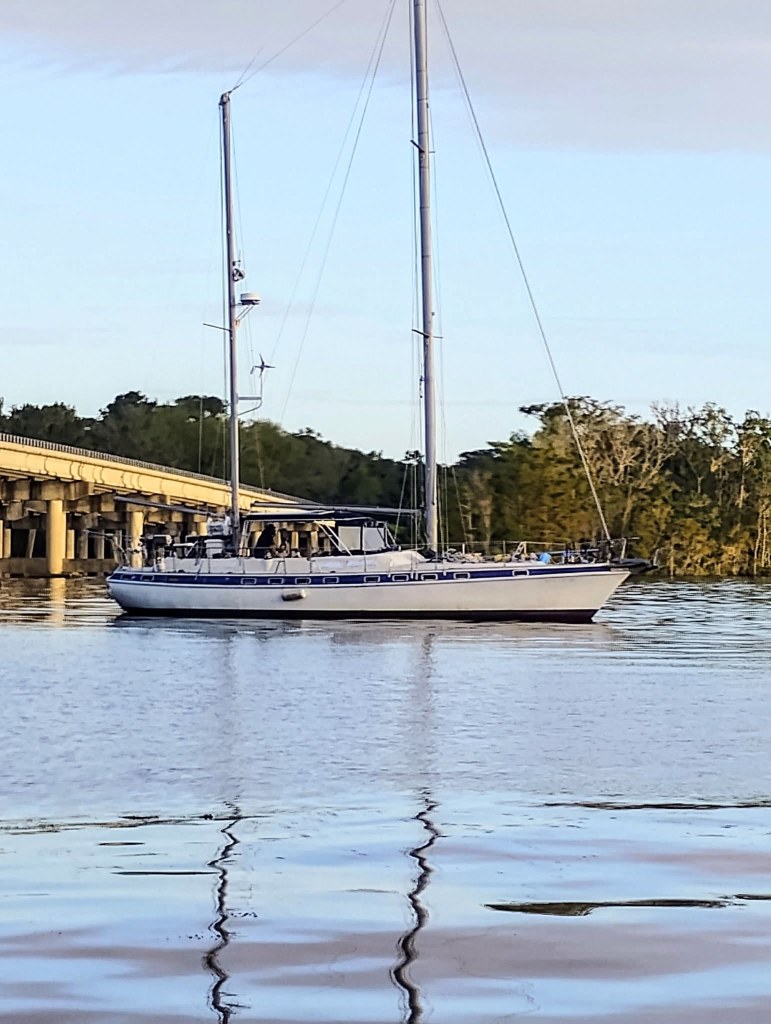
  • The Morgan sat in the slip like a heavy, salt-stained promise. She wasn’t one of those sleek, modern racers you see in the glossy magazines; she was a tank of the sea. She had a thick hull, a deep cockpit, and a broad beam that looked like it could withstand a hurricane. To a sailor, she was a masterpiece of 1970s engineering.To Moe, she looked like a lot of work.”You bought it because it was a good deal,” Moe said, her voice echoing off the mahogany bulkheads as she stepped down into the cabin for the first time.The Captain didn’t answer right away. He was busy running his hands over the teak, checking the rigging, and peering into the engine room like he was looking at a long-lost friend. He didn’t see the cracked sealant or the faded canvas; he saw the islands. He saw a 51-foot ticket out of the woods and into a world where the only fences were the waves.”She’s got good bones, Moe,” he finally replied, his eyes lit with that unmistakable glow. “She’s sturdy. She’ll take care of us when the water gets big.”That was the thing about the Captain—he didn’t just buy a boat; he bought a vision. He saw past the “good deal” to the legacy he wanted to build for his children and his grandson. He knew that if he could get this beast back into fighting shape, she’d be the bridge between our life on the prairie and the life he’d been watching on those YouTube channels for years.So, the work began. We spent hours, days, and weeks scrubbing away the salt of the previous owner, learning the quirks of her diesel engine, and figuring out where six people and a scrub dog would fit. Every time Moe felt the doubt creep in—the fear of the “Indigo Void”—she’d look at the Captain. His dream was becoming a physical thing, a 51-foot island of fiberglass and mahogany.The “Bargain” was sealed. The blue was waiting. And the “Salty Crackers” were officially committed to the sea.
  • The Florida prairie has a way of getting into your blood. It’s a land of saw palmettos, ancient oaks draped in Spanish moss, and the steady, unmoving “Stone” of the earth.

    To anyone else, it might just look like flat woods and palmetto bugs, but to a family from the prairie, it’s a living, breathing history.

    For Moe, this was home. She knew the way the air changed before a thunderstorm and the specific silence of the river at dusk.

    But for her husband, the Captain, the horizon was calling. He didn’t just want the river anymore; he wanted the blue.

    He spent his evenings staring at a screen, caught in the glow of sailing channels, watching strangers cross oceans in white-hulled boats. It was a lifelong dream—a hunger for the salt air that the scrub couldn’t satisfy.

    He didn’t just want a boat; he wanted a vessel that could carry three generations of his family into the wild.

    He wanted a hull that was strong enough to handle the “Indigo Void” and big enough to keep us all together.When he found the Morgan 51, he knew what he had found.

    She was a beast of a boat, built back when they used enough fiberglass to make her feel like an island.

    She had a broad beam and a tall mast that seemed to reach for the stars he’d been dreaming of. “She’s the one,” he said, his eyes already tracing the lines of the hull.

    Moe looked at the boat, then back at the solid ground of the prairie. She knew right then that her life was about to change.

    The peace of the woods was about to be traded for the unpredictable rhythm of the sea. The Captain had found his dream, and as a “Salty Cracker,” Moe knew there was only one thing to do: stand strong and get ready to sail.

  • To the Captain, my husband:

    For all those years you made us sit through countless hours of YouTube sailing channels, dreaming of horizons we couldn’t yet see.

    Thank you for having the courage to turn those videos into our reality. This was your lifelong dream, and though the seas were rough, it was an honor to stand strong on that deck beside you.

    To my children and grandson:

    I wrote this so you’d never forget the time we brought the prairie to the deep. Never be afraid to leave the shore, but always remember the way back home. You are the heart of every voyage. Watching you transition from the quiet woods to the wild indigo of the Gulf made me prouder than words can say. You proved that our family can weather any storm as long as we are in the same boat.

    To the First Mate:For your steady hands, your hard work, and for being the anchor we needed when the winds shifted.

    And finally, to the Morgan 51:A sturdy vessel that carried our dreams and brought us safely back to the river.

    We are the Salty Crackers—home is where we drop the hook.

  • They say that if you’re born in the Florida scrub, you have the scent of pine and damp earth etched into your soul.

    I am a girl of the prairie—a “Cracker” by spirit. For me, life has always been measured by the steady, unmoving ground beneath my boots and the deep, tannin-stained rivers where the gators watch from the shadows.

    That is my Stone. It is solid, it is predictable and it is home.But the man I love has a soul made of salt.

    For years, I watched the glow in the Captain’s eyes whenever he looked toward the horizon.

    He didn’t just want to see the river; he wanted to see where the river ended. He wanted to see the indigo emptiness of the deep sea—a place where the land disappears and you are at the mercy of the wind.

    When he bought the Morgan 51, he wasn’t just buying a sailboat; he was buying a vessel for his dreams. He promised me a world of turquoise water, ancient forts, and spray off the bow.

    He promised a legacy for our children and a memory for our grandkids one that would last a lifetime.

    I was a reluctant mariner. I didn’t crave the “square waves” or the sickness that comes when the ground won’t stay still.

    I didn’t want the indigo void. But I love the dreamer more than I feared the deep.

    So we packed our lives into mahogany lockers, lashed our fears to the deck, and set sail to a red-brick fortress in the middle of a lonely ocean.

    This is the story of three generations of the prairie family who left the safety of the woods to find out what happens when the Stone meets the Salt.

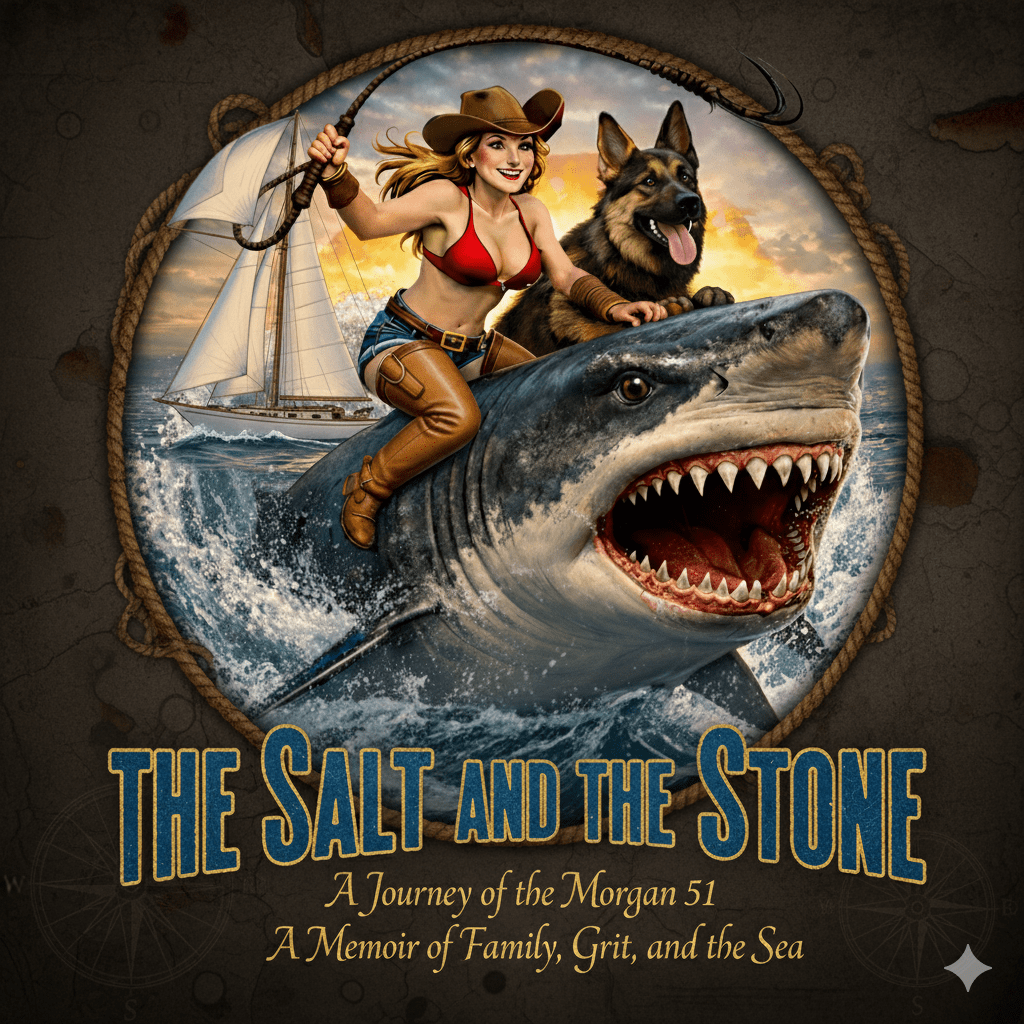
    It’s a story of sickness and starlight, of ghosts and groupers, and the realization that sometimes, you have to lose sight of the shore to find out who you really are.The lines are cast. The wind is up. Hold on tight—it’s going to be a rough crossing.THE SALT AND THE STONE

    A Journey of the Morgan 51A Memoir of Family, Grit, and the Sea

  • “I’ve been sitting on this for a while. I originally wrote it a few months after our Christmas trip to Fort Jefferson on the Morgan 51, thinking I’d just leave it in my files for the kids and grandkids to find one day—something to give them a giggle and a memory of ‘the crazy sailing trip.’But after looking at it again, I decided why wait?As a Florida prairie girl my heart has always been in the woods , trading the pine trees for the open ocean wasn’t always easy, but it was definitely an adventure. Here is to our journey. 🌊⚓️” Hold on tight—it was a rough crossing, but a beautiful one.

    ⚓️🌊#TheSaltAndTheStone #Morgan51 #DryTortugas #SailingLife #FamilyAdventure

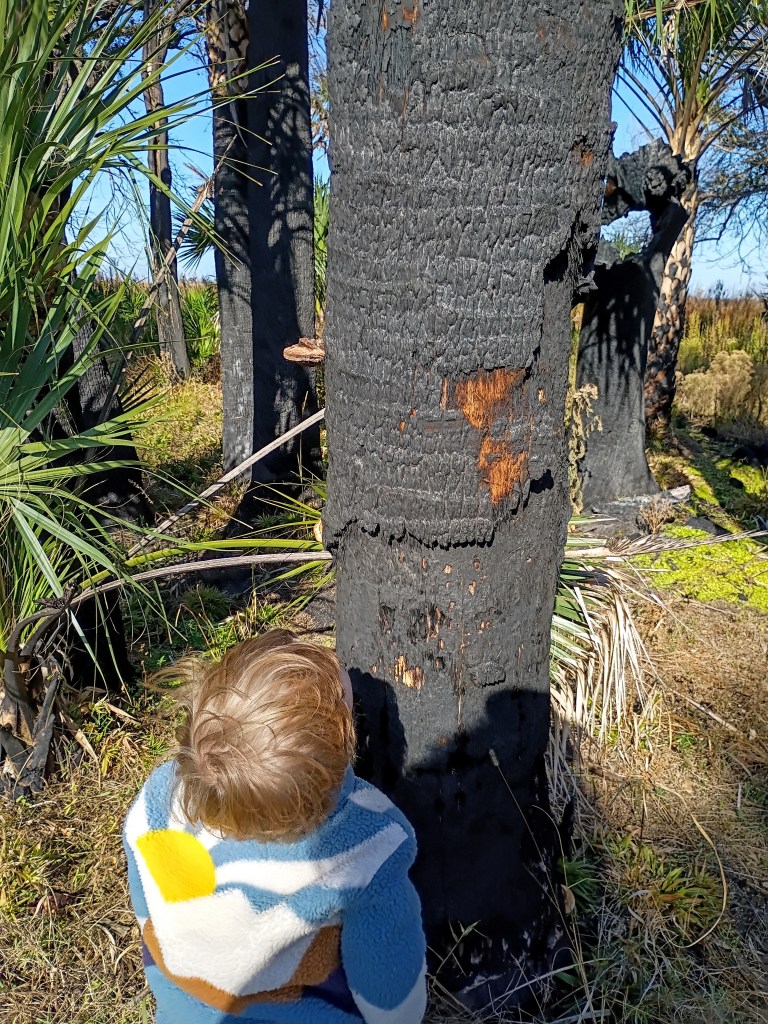
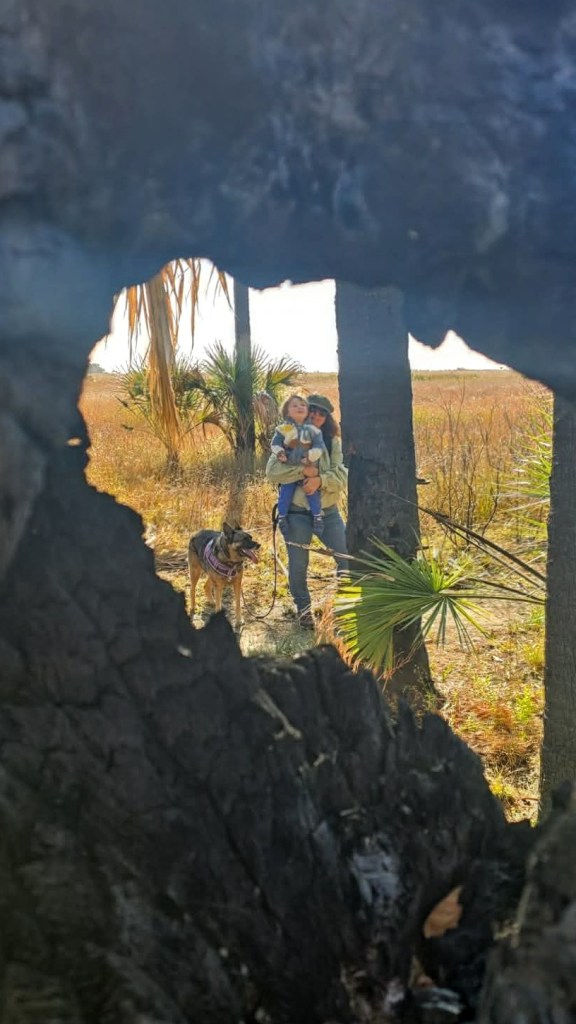
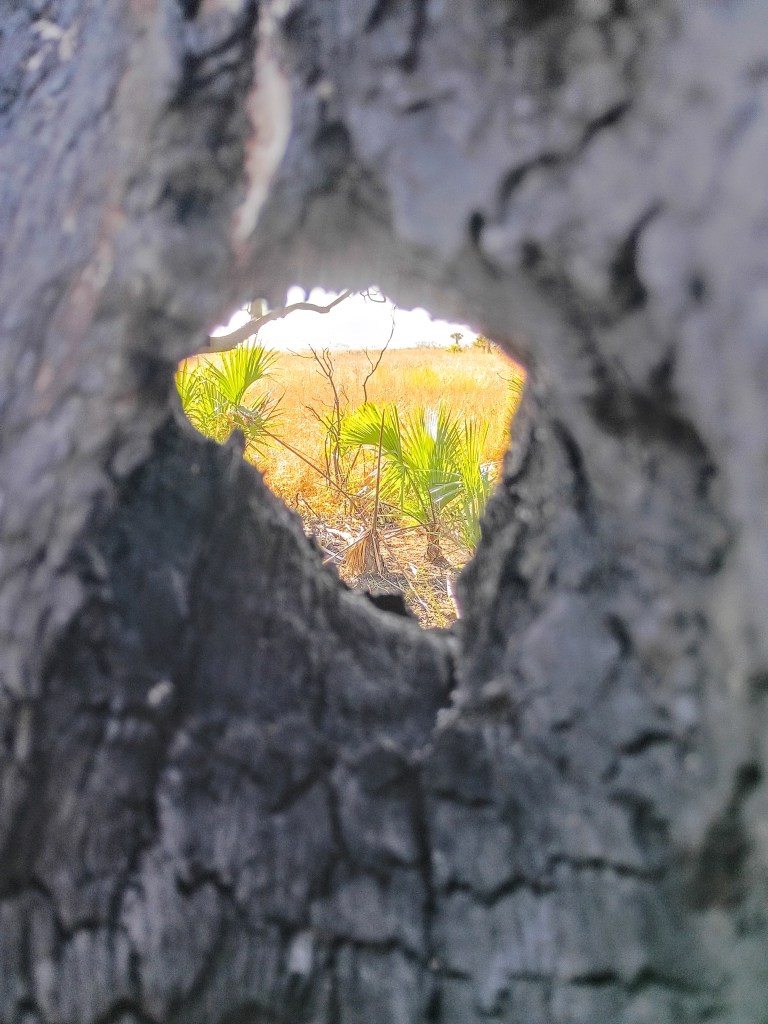
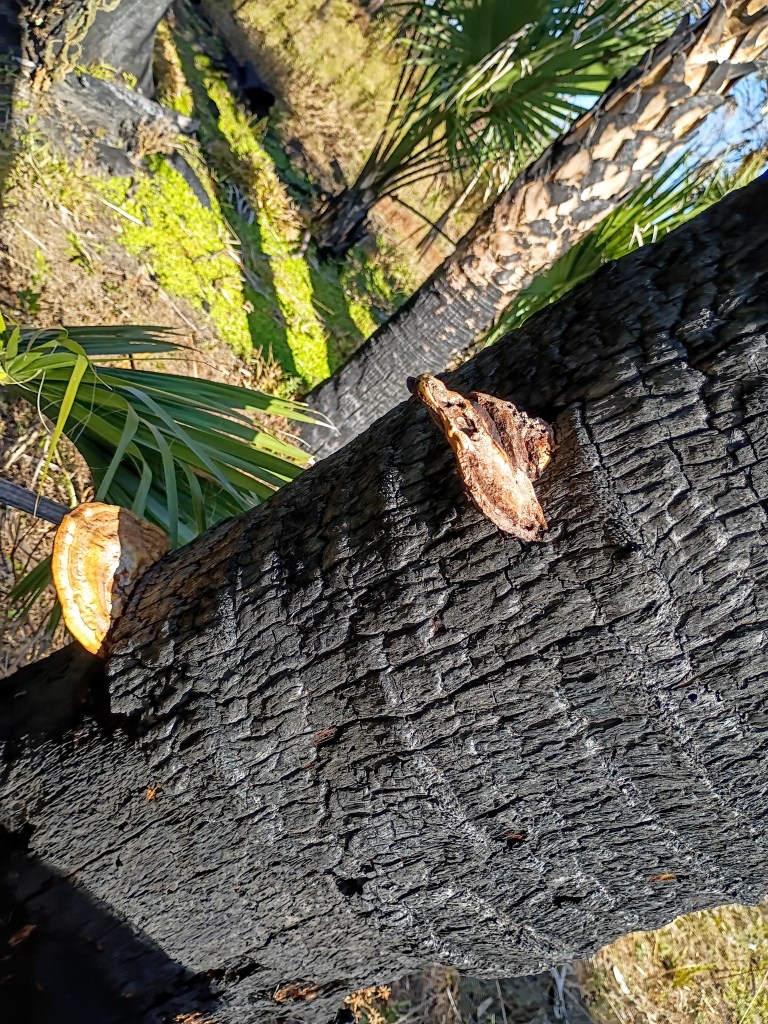
  • Watching him explore was like watching a scientist on a new planet. While I saw a landscape of soot, he saw a landscape of textures.

    He noticed the way the sun caught the iridescent sheen on the burnt wood, and how the “alligator” scales of the bark felt like a puzzle under his fingers.There is a certain bravery in the way a child approaches the unknown

    . He didn’t ask why the fire happened or complain that the trail was messier than last time. He simply accepted the forest in its current state.

    His discovery of that “living wood” wasn’t an accident; it was the result of a mind that isn’t yet clouded by “what should be.”He was teaching me that discovery doesn’t require a pristine environment—it just requires an open heart and the willingness to get a little soot on your hands.

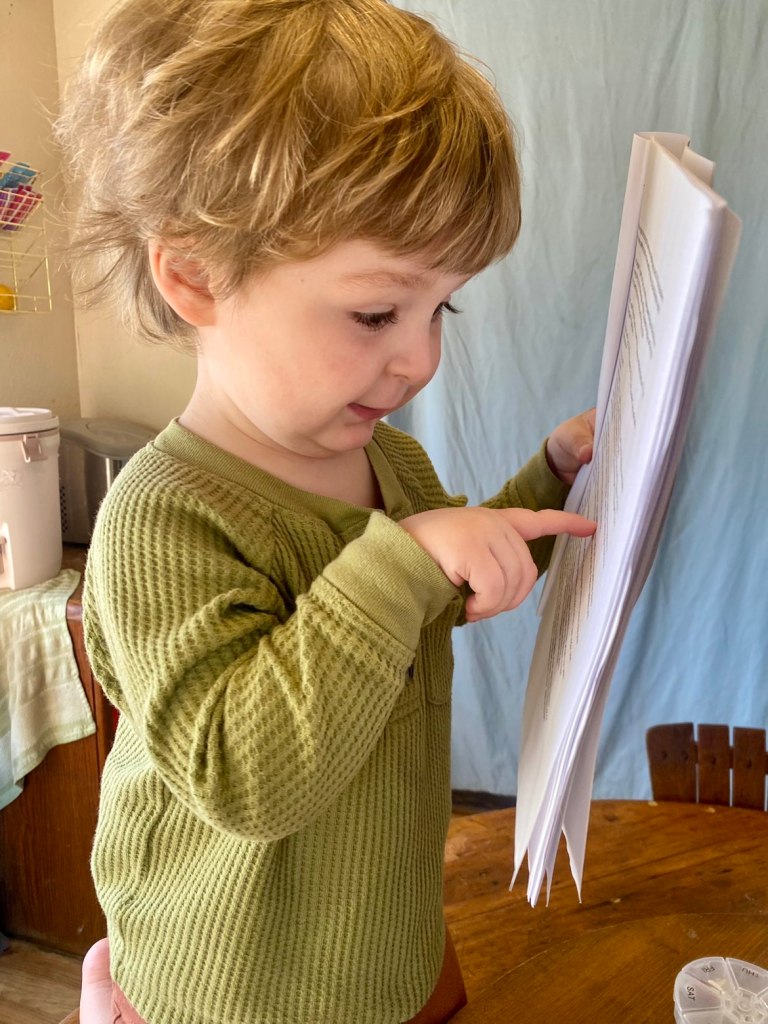
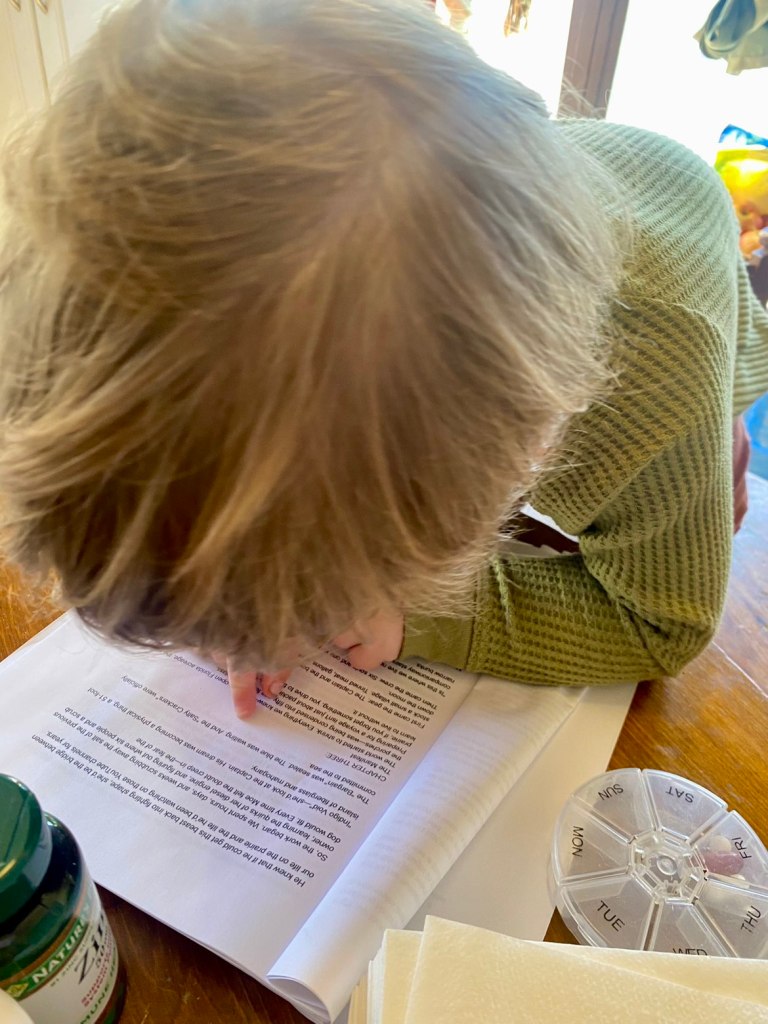
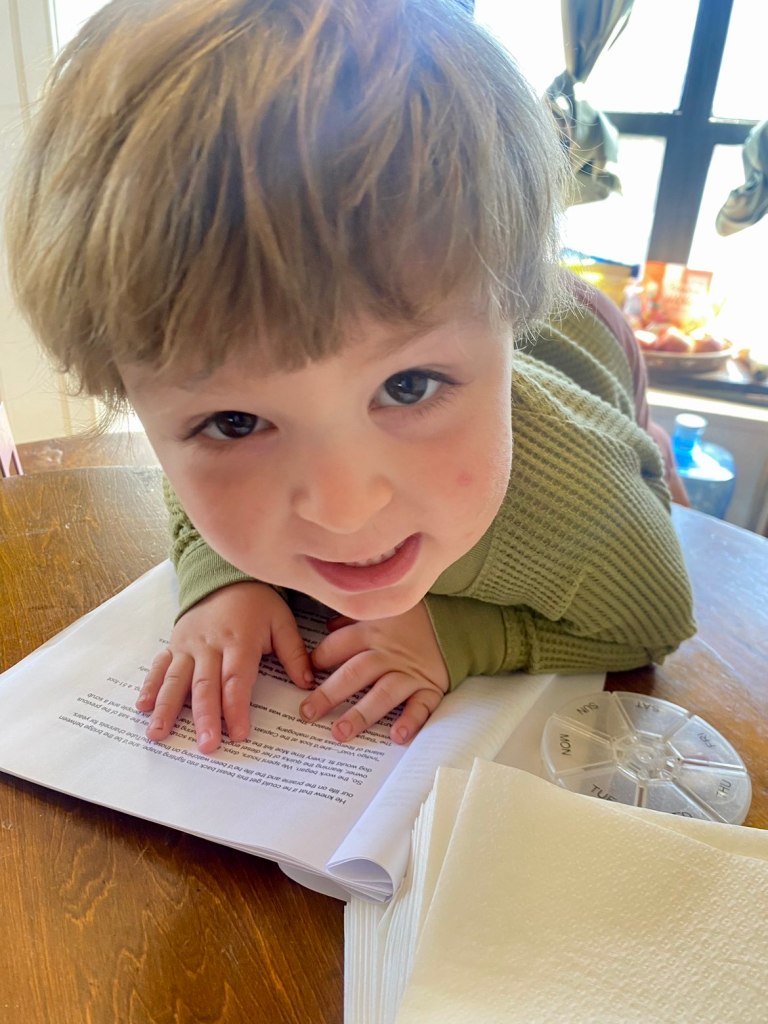
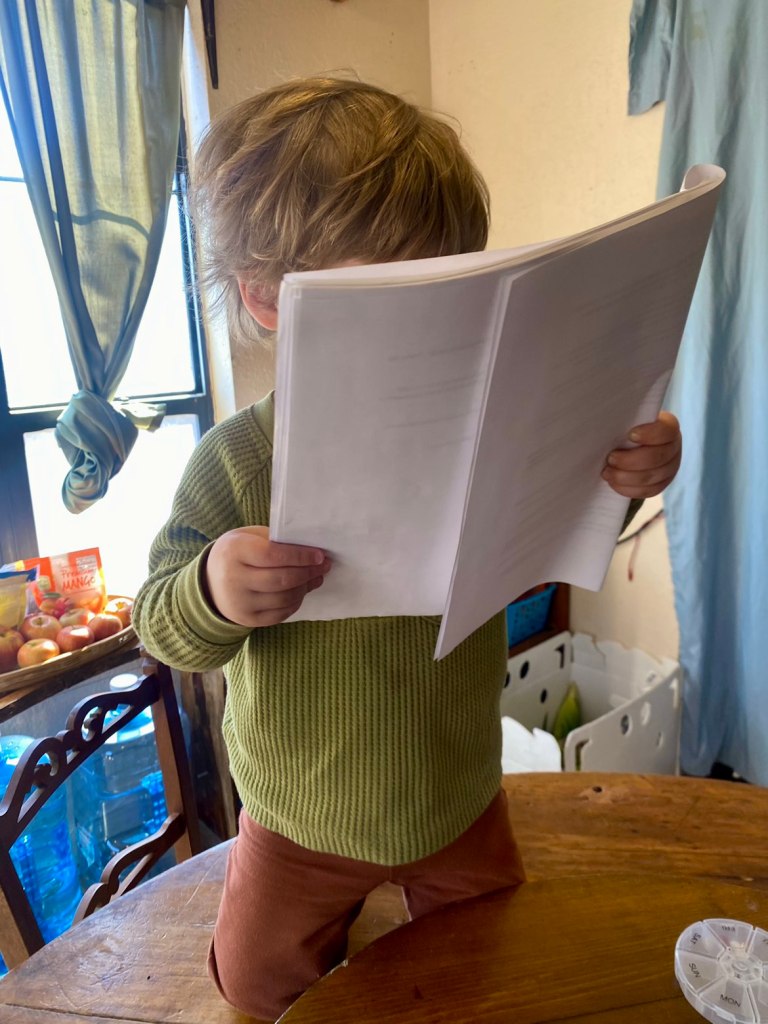
  • Asher Takes on Gran Gram’s ManuscriptMove over, New York Times Best Sellers—there’s a new critic in town, and he’s remarkably cute.

    This week, the household was abuzz with literary energy as Asher officially took over the role of Chief Proofreader for Gran Gram’s upcoming book.

    While most editors require a steady stream of espresso and a quiet office, Asher’s requirements are much simpler: a sturdy stack of papers and a very serious pointing finger.

    A Sharp Eye for Detail

    As you can see in the photo, Asher isn’t just skimming. He’s looking for the hard-hitting stuff.

    Is the character development consistent? Is the prose evocative? Or, more importantly, are there enough pictures of tractors?

    Watching him work, it’s clear he’s inherited Gran Gram’s love for storytelling.

    He spent a good portion of the morning carefully reviewing each page, occasionally pausing to give a thoughtful “Hmm” or a definitive tap on a specific paragraph.

    We suspect he found a few typos—or perhaps he was just suggesting a plot twist involving more snack breaks.

    Why “The Asher Method” WorksWe could all learn a little something from Asher’s editorial process:

    Total Focus: When the manuscript is in hand, the world disappears.

    Tactile Review: Sometimes you have to physically touch the words to see if they feel right.

    Direct Feedback: He doesn’t sugarcoat his critiques (though he might leave a literal sugar smudge or two).

    Looking AheadGran Gram is thrilled to have such a dedicated collaborator. Having a fresh set of eyes—especially ones that see the world with so much wonder—is exactly what every writer needs.

    We aren’t sure yet if Asher will be demanding a percentage of the royalties or if he’ll settle for an extra bedtime story, but one thing is certain: this book is going to be something special.Stay tuned for more updates from the world’s tiniest publishing house!

  • If you are reading this, you have walked the winding paths of the Alachua basin alongside Clara and Julian.

    You have seen how a hidden history, buried deep beneath the roots of an ancient Magnolia, can rise to protect the future.

    But the true story of Prairie Creek doesn’t end with the final page of this book.

    In the real world, the “Shield of Perpetuity” is not a fictional plot device.

    It is a living, breathing reality maintained by the Alachua Conservation Trust.

    Every time we choose to return to the earth naturally, we are not just saying goodbye; we are saying “thank you” to the planet.

    We are providing the resources to keep the wildlife corridors open, the water clean, and the Florida wilderness wild.

    My hope in writing Ghosts of the Old Magnolia was to take the ” Grief ” out of the cemetery and replace it with “Growth.”

    Death is often treated as a heavy, cold silence, but as we’ve seen through the eyes of our characters, it can be a vibrant, green symphony.

    As you close this book and step back into your own life, I invite you to look at the trees in your own backyard or the local trails in your community with new eyes.

    Consider what it means to leave a legacy that breathes.

    We are all temporary stewards of this soil, but the choices we make today—the lands we protect and the ways we honor our ancestors—will bloom for generations to come.

    The ghosts are still there, whispering in the wiregrass.

    They aren’t asking to be remembered in stone. They are asking us to keep the forest alive.—

    M. Trimble

    Prairie Creek Conservation Cemetery For those who find their cathedrals in the canopy and their hymns in the wind.

    Dedicated to the Alachua Conservation Trust—for guarding the soil so that our stories may live on.

    To those who understand that our greatest legacy is not what we build, but what we leave wild. May your roots be deep, and your blossoms be bright.

    M. Trimble

  • This book began as a quiet walk through the woods of Alachua County. I remember the first time I stood under the canopy at Prairie Creek; I expected the heavy, somber atmosphere of a graveyard, but what I found was a symphony.

    I heard the wind in the pines, the call of the sandhill cranes, and the rustle of the tortoises in the brush.

    I realized then that I wasn’t standing in a place of endings, but in a place of perpetual beginnings.

    My goal in writing Ghosts of the Old Magnolia was to give a voice to the land itself.

    For too long, we have viewed the Florida wilderness as something to be “tamed” or “developed.”

    Through the history of the turpentine camps in the 1880s to the conservation efforts of 2026,

    I wanted to show that our greatest legacy isn’t what we build out of concrete, but what we leave wild.

    I am deeply indebted to the Alachua Conservation Trust (ACT) and the Green Burial Council. Their tireless work to protect our wildlife corridors and restore our native ecosystems provided the factual backbone for this narrative.

    A portion of the inspiration for this story is dedicated to their vision of a world where our final act is one of environmental stewardship.

    To the reader: I hope this story encourages you to look at the soil beneath your feet with a sense of wonder. We are all part of this magnificent, turning wheel.

    Whether we are remembered in ink or in the bloom of a Magnolia, we all have a place in the forest.

    Thank you for walking this trail with me.— M. Trimble

    Gainesville, Florida2025@Prairie Creek Conservation Cemetery

  • The ending might just be a new beginning in disguise. I’m so proud of how this concluded and can’t wait to share what’s next.

    What was your favorite moment from the story? Let me know below! 👇

    Epilogue: The Breath of the BasinSpring 2027

    The air in the Prairie Creek basin had lost the sharp bite of winter, replaced by the scent of damp earth and the heavy, sweet perfume of blooming wild plum. Clara stood at the edge of the meadow, her hand resting on the smooth, cool handle of a walking stick Julian had carved for her from fallen cedar.

    She looked toward the spot where she had buried her father a year ago. There was no mound now. The earth had settled, becoming one with the horizon.

    In its place, a vibrant patch of blue curls and crimson clover swayed in the morning breeze.

    A gopher tortoise—ancient and steady—plotted its way through the flowers, pausing for a moment on the very ground that held her father’s nutrients before continuing its journey toward its burrow.

    “He’s busy today,” a voice said behind her.Clara didn’t need to turn to know it was Julian. She felt the heat of him as he stepped up beside her, his shoulder brushing hers.

    He looked different than he had a year ago—less like a man carrying the weight of the forest alone, and more like a man who had found his partner in the watch.

    “The tortoise?” Clara asked, smiling.”The whole forest,” Julian replied. “The nitrogen levels around the Old Magnolia are the highest I’ve seen in a decade.

    The trees are talking, Clara. They’re saying ‘thank you.’”He reached out, his fingers interlacing with hers.

    On Clara’s hand, the gold ring from 1884 caught the sunlight. It was no longer a relic of a tragic past; it was a symbol of a promise kept.

    The “Ghost Deed” was safely filed in the county records, but the true deed was written in the roots beneath their feet.In the distance, the Great Magnolia stood sentinel, its waxy leaves shimmering like polished emeralds. Clara thought of Evelina and Silas, and how they had once whispered their love into the shadows of that same tree, fearing the world would tear it down.

    They had been the first stewards, guarding a secret that had finally become a sanctuary.

    A pair of sandhill cranes took flight from the marsh, their prehistoric rattles echoing across the prairie. They flew low over the cemetery, heading south toward Paynes Prairie, following the wildlife corridor that would now remain open forever.

    “We did it, didn’t we?” Clara whispered.Julian squeezed her hand, his gaze fixed on the soaring birds.

    “No, Clara. The land did it. We just gave it the chance to remember how.”As the sun rose higher, warming the soil and stirring the life within it, Clara took a deep breath.

    It was the breath of the basin—a cycle of air, water, and spirit that had no beginning and no end. She wasn’t just standing in a cemetery. She was standing in the middle of a miracle.The ghosts were no longer haunting the woods. They were the woods. And they were finally at peace.